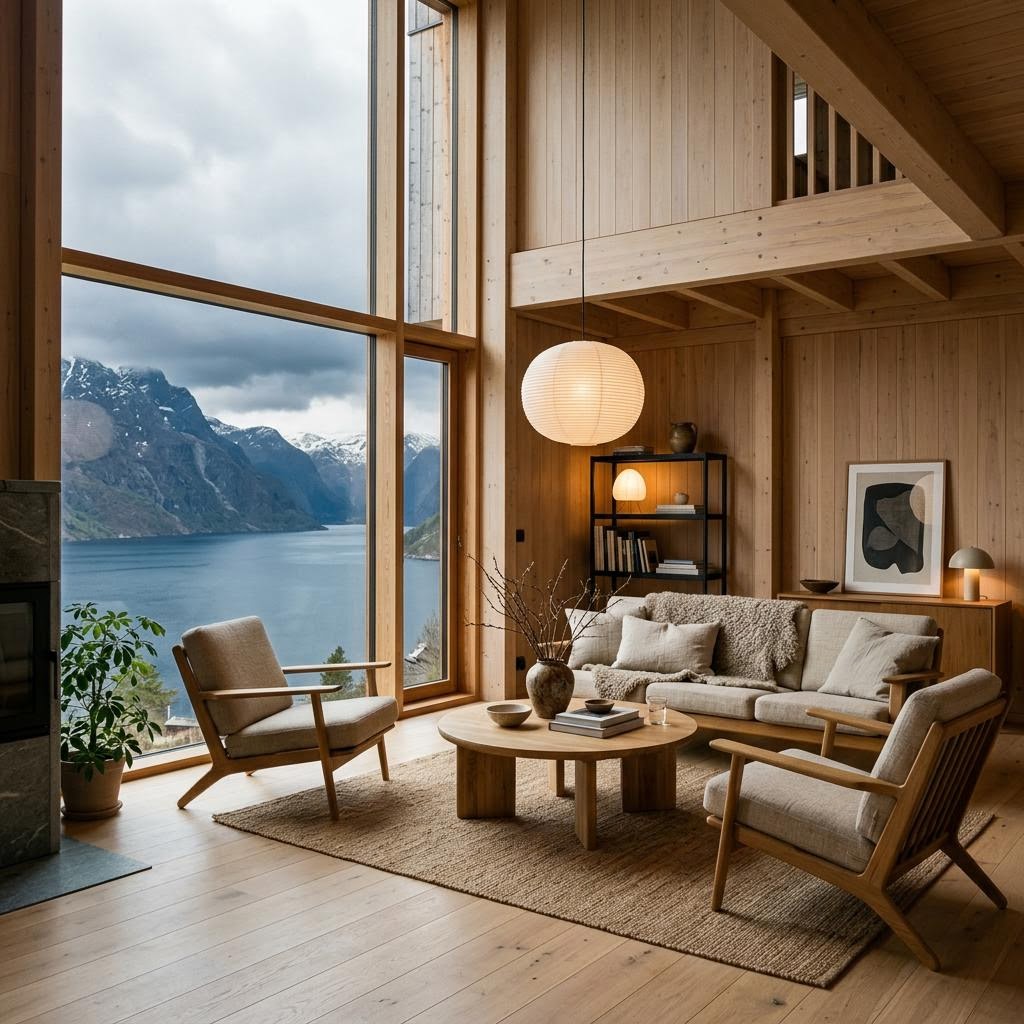
Buying in another country is exciting precisely because it asks you to imagine a different life. The practical side deserves just as much imagination: the better prepared you are, the more freely you can choose.
Can international buyers purchase property in Norway?
In general, foreign nationals can buy real estate in Norway. That does not mean every property comes without conditions. Some homes and land can be subject to concession requirements, residency obligations or other local restrictions. Ask for clarity on the specific property before you commit; do not rely on a general rule.
Start with financing and a complete budget
Before viewings become serious, determine your budget in Norwegian kroner and think about exchange-rate movement. If you need a mortgage, ask lenders about their requirements for non-resident applicants, documentation of income, deposit and timing. A financing certificate can make bidding smoother.
The headline price is not the total cost. Depending on the transaction, factor in document duty, registration fees, legal or translation support, insurance, communal charges and maintenance. Ask a Norwegian adviser to confirm which costs apply to your purchase. For official tax information, consult Skatteetaten’s property guidance.
Read what the sales documents actually say
Read the prospectus, condition report and seller disclosures carefully. If the property is a cabin, ask about year-round road access, water, drainage, electricity and rights to use shared infrastructure. With apartments, look at shared debt and common costs. With rural land, clarify boundaries, rights of way and any building restrictions.
If you are not fluent in Norwegian, arrange a reliable translation or have a qualified adviser explain the documents. A beautiful photograph cannot tell you what is under a roof or what a neighbouring property is entitled to do.
Questions worth taking to a viewing
- What are the property’s known defects, and which repairs have been documented?
- Which fixtures, fittings and outdoor structures are included in the sale?
- Are there easements, shared facilities, rental rules or building restrictions?
- What would be required to keep the home safe and accessible in winter?
The bidding process is not a casual negotiation
Norwegian sales commonly use a structured bidding process managed by an estate agent. Bids have deadlines and conditions, and an accepted bid can create a binding agreement. Make sure your financing and due diligence are in place before you bid. Ask the agent to explain the timetable and seek independent advice if you are uncertain.
Do not bid from a translated headline alone. Confirm the identity of the seller, the exact property covered, any fixtures excluded, and whether your preferred takeover date is workable. Time pressure is a poor reason to abandon a question that matters.
From acceptance to ownership
Once a bid is accepted, the parties sign the sales contract, settle funds through the appropriate process and register the transfer. Confirm what is included in the sale, the handover date and any outstanding obligations. Then plan for the practical transition: insurance, utilities, keys and local services.
For a second home, decide early who can check on it between visits. Arrange a local contact, understand heating and water shut-off procedures, and keep important property records together. Ownership feels much easier when the less glamorous details have already been considered.
Take a broader view before choosing. Our guide to Norwegian locations helps you compare lifestyles, while the buying guide gives you a quick step-by-step overview. When you have a place in mind, tell us what you are looking for.